
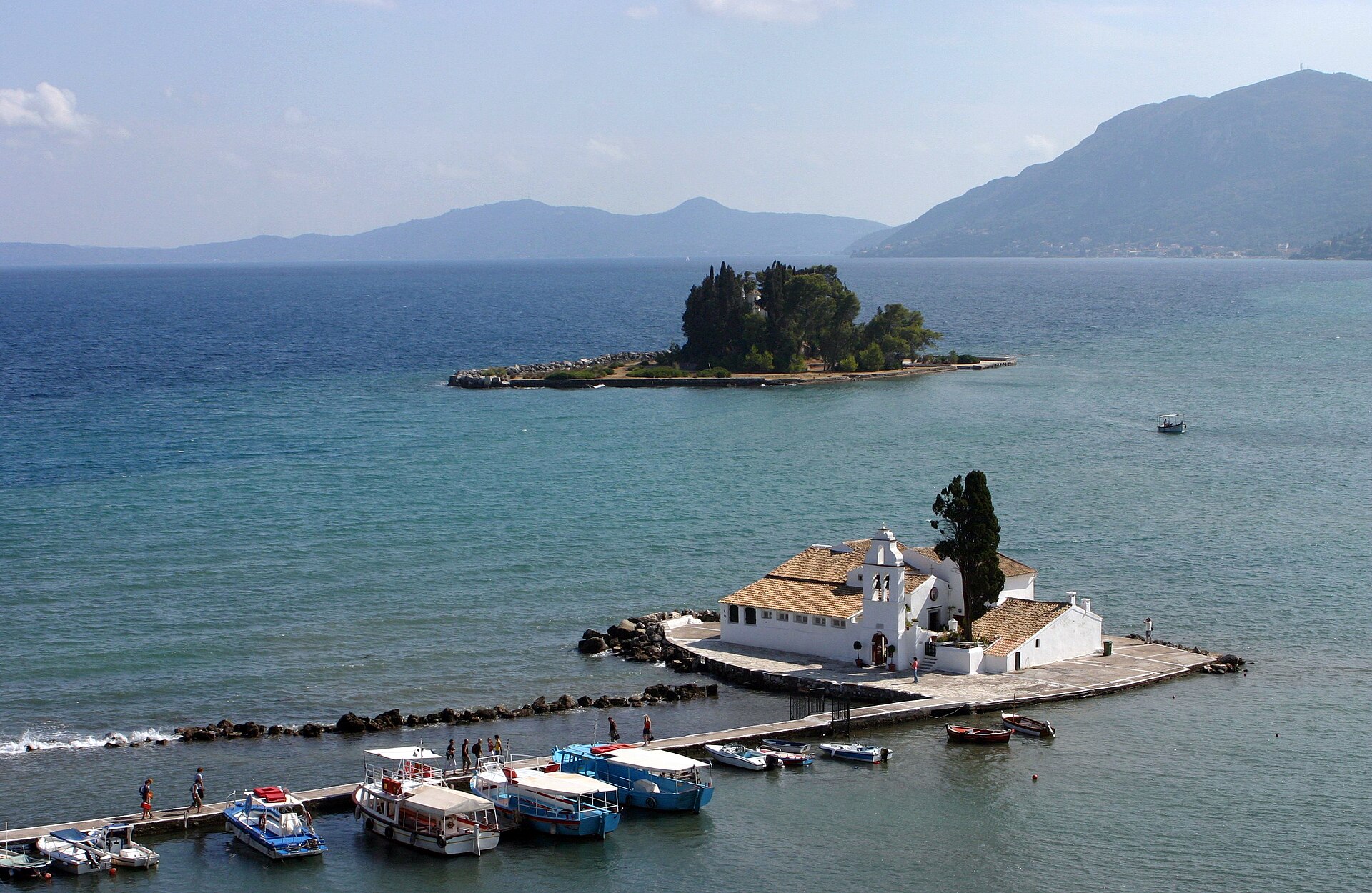
Greece tours suit every kind of traveler, from couples and families to friends, solo travelers and first-time visitors. They bring the famous sights, the best ways to see them and a few handy extras together into one simple, organized plan.
This guide from My Greece Tours walks through Crete, the Cyclades, the capital and the mainland. Each part covers what to see, which tours fit and what comes with them. Pick a region, read the practical tips and start planning.
How Do Greece Tours In Crete And Beyond Work?
Tours in Crete and beyond follow a clear plan. You meet your guide or skipper, see the famous sights and enjoy free time at every stop. Compare routes and options on Greece tours and Tours In Greece before you choose.
Which places are unmissable in Crete and beyond?
Crete begins with the palace of Knossos, tied to the Minotaur legend, and the beautiful old harbour of Chania. Next come the lagoons of Balos and Elafonisi, where soft sand meets clear, shallow water that glows in the bright sun.
Beyond Crete, the Old Town of Rhodes keeps its medieval walls, and Lindos sits under a hilltop acropolis above a sparkling bay. Corfu old town is full of arcades and squares, while Navagio on Zakynthos is the famous shipwreck beach.
Which Greece tours cover Crete and beyond best?
Private tours with a driver-guide or skipper suit couples, families and friends. One price covers the whole party, and the pace is yours. Boat cruises with swim stops fit anyone who loves the sea, from teens to grandparents.
Full-day trips from Athens by coach give first-time visitors a simple, organized plan with no driving stress. Cooking classes and wine tastings suit solo travelers and food fans who like to learn, taste and meet interesting people.
What do Greece tours in Crete and beyond provide?
A lunch or BBQ meal keeps energy high on long days, so nobody feels tired or unhappy before the last stop. Refreshing drinks keep everyone cool, and some tours pour unlimited drinks, which suits hot afternoons by the sea.
A licensed or local guide turns old stones into interesting stories you remember long after the trip. Free time lets you wander, shop or rest. Wine tastings add authentic local flavor, and swim stops add a welcome, cool break.
How do you stay comfortable in Crete and beyond?
Arrive early, because mornings are cooler and quieter at the most popular sights, with softer light for photographs. Wear comfortable shoes with good grip, since old paths are rocky and steep.
Bring a hat, sunscreen, a swimsuit, a towel and a bottle of water. Pack a light layer too, because a sea breeze feels cool after a long swim.
What Makes Greece Tours In The Cyclades Worth Booking?
Tours in the Cyclades remove the hard planning. Your guide or skipper handles the route, so you spend the day on the views, the water and the food. Every stop is chosen to give you a wonderful experience.
Which places are unmissable in the Cyclades?
Santorini draws visitors to its cliff villages, where white houses and blue domes look down on the sea. Mykonos is known for its windmills on the hill, and Delos is the sacred island sanctuary of Apollo, close to the coast.
Milos hides sea caves with chalk-white rock and turquoise water that glitters. The old town of Naxos winds up to a hilltop castle. Naoussa on Paros is a small, traditional fishing harbour lined with cafes, shops and painted boats.
Which Greece tours cover the Cyclades best?
Greece tours in the Cyclades include private tours with a driver-guide or skipper, where one price covers the whole party. Small tours with a few travelers suit solo visitors. Boat cruises with swim stops fit families and friends on holiday.
Full-day trips from Athens by coach suit first-timers who want a comfortable, organized plan. Snorkel and beginner scuba trips thrill teens and couples. Cooking classes and wine tastings reward anyone curious about island flavors and local food.
What do Greece tours in the Cyclades provide?
A lunch or BBQ meal on board or ashore means you never hunt for a table. Drinks keep the day relaxed, and some tours offer unlimited pours, so you can sip in the shade and enjoy the view.
Snorkel gear is provided, so beginners can dive right in and meet the fish. Wine tastings show off island grapes and the families who grow them. Swim stops let everyone cool off in a clear, calm bay.
How do you stay comfortable in the Cyclades?
Pick a morning departure, when the sea is calmer and the sunlight is softer for photographs. Choose comfortable flat shoes with grip, because wet decks and stone staircases become slippery.
Bring a swimsuit, a towel, a hat and sunscreen. Pack a light jacket for the wind, and take a seasickness remedy if the sea bothers you at all.
What Should You Know About Greece Tours In The Capital?
Tours in the capital turn a busy city into a clear story. A guide links the sights in a logical order, so nothing feels random or rushed. Mornings and evenings suit most visitors best, with cooler temperatures and fewer crowds.
Which places are unmissable in the capital?
The Acropolis hill crowns the city, with the Theatre of Dionysus on its slope and the Acropolis Museum right below. Down in the old streets, the Roman Agora holds the Tower of the Winds, an ancient clock and weather tower.
Hadrian’s Arch marks an ancient gate, and the shady National Garden offers a green, peaceful break. Psyrri, the old quarter, buzzes with street art and small traditional taverns. Cape Sounion ends the day with a magnificent temple above the sea.
Which Greece tours cover the capital best?
Private tours with a driver-guide or skipper suit families and friends, since one price covers the whole party. Guided walking tours, including guided Acropolis tours, bring old stones to life for first-timers and solo visitors who love facts.
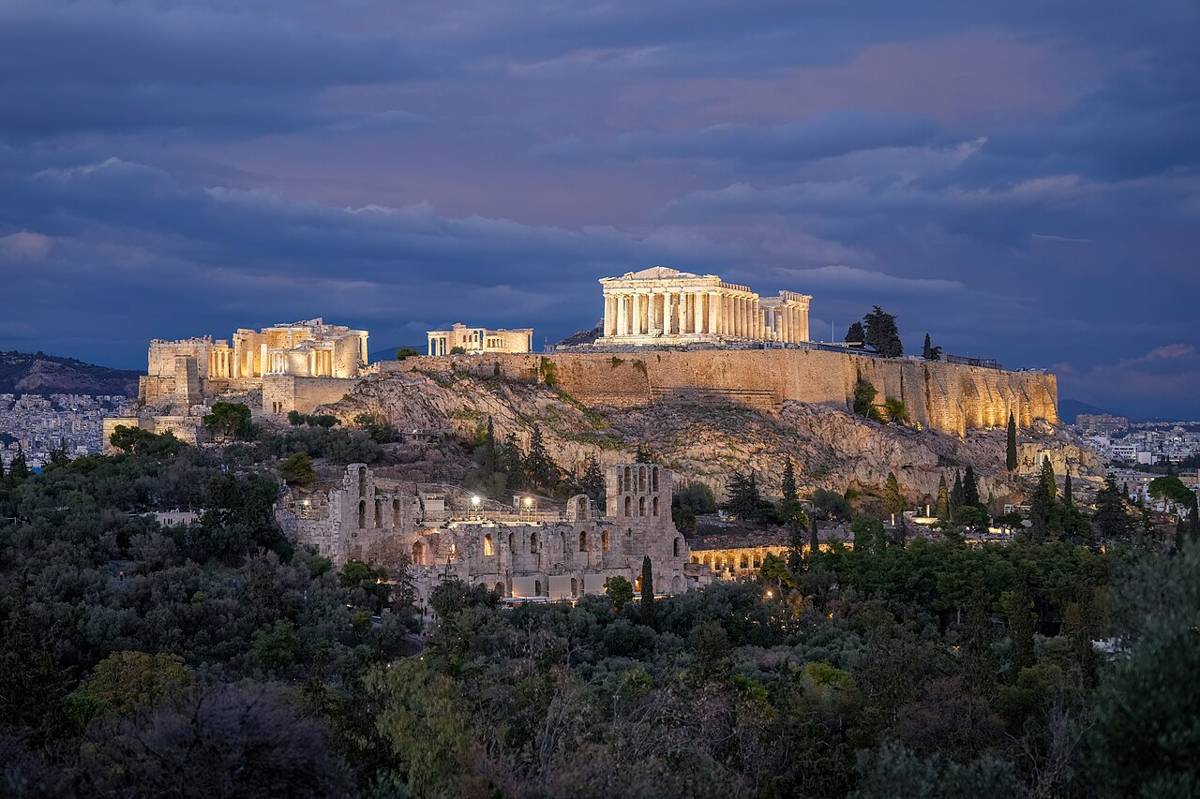
Greece tours by boat add swim stops along the coast, which couples and families love after a hot morning in the city. Cooking classes and wine tastings round out a day for food lovers and curious solo travelers.
What do Greece tours in the capital provide?
A licensed guide explains what you see and answers your questions, which matters most at busy ruins where signs say little. Lunch or a BBQ meal gives you a rest in the shade and a taste of traditional cooking.
Drinks, sometimes unlimited, keep you cool and happy in the summer heat of the city. Wine tastings add a relaxed note to the end of the day. Swim stops on coastal trips wash off the dust and heat.
How do you stay comfortable in the capital?
Visit the Acropolis early or late in the day to avoid the midday sun and the crowds. Polished marble becomes slippery, so wear shoes with good grip and take your time on the steps.
Bring a hat, sunscreen and a bottle of water. Dress in lightweight, breathable clothing, and carry a small bag you can wear across your body.
What Can You Expect From Greece Tours In The Mainland?
Mainland tours trade beaches for powerful history. Expect ancient sites, mountain scenery and a guide who ties each place to its story. Most trips start in Athens and end back there, with hotel nights on longer routes.
Which places are unmissable in the mainland?
Delphi, home of the Temple of Apollo, was once seen as the center of the world. The Meteora monasteries perch on dramatic rock pillars high above the plain. Mycenae, a fortress city of legend, greets visitors with its Lion Gate.
The theatre of Epidaurus is famous for its perfect acoustics, and Nafplio charms visitors with the Palamidi fortress above its harbour. Ancient Olympia is the birthplace of the Olympic Games, and the Corinth Canal slices straight through the rock.
Which Greece tours cover the mainland best?
Small tours with a few travelers suit couples and solo visitors who like a close, chatty feel. Full-day trips from Athens by coach fit first-timers, and guided walking tours bring ruins to life for curious families and teens.
Greece tours that sell entry tickets alone suit travelers who like to explore at their own pace. Multi-day tours with hotel nights cover Delphi and Meteora in comfort. They are ideal for families and friends who want a slower trip.
What do Greece tours in the mainland provide?
A licensed or local guide explains ruins that look like piles of stone at first glance. That knowledge turns a simple walk into a real story. Guides also answer questions on the spot, which children and adults both enjoy.
Entry tickets are sorted for you, so there is no stress at the gate. On multi-day trips, hotel nights mean no late hunt for a bed. They also give you proper rest and fresh energy for the next sight.
How do you stay comfortable in the mainland?
Arrive early, since the big sites grow hot quickly and fill with visitors. Wear sturdy shoes for uneven stones. Take your time on staircases and slopes, and rest when you need to.
Bring a hat, sunscreen, a light jacket for the mountains and a bottle of water. Pack snacks for the journey, and charge your phone for photographs.
Conclusion: Greece Tours, Planned Well
Greece tours work best when you match the tour to the traveler. Couples, families, friends, solo visitors and first-timers all find a route that fits their pace and interests. Each region offers its own flavor, from beaches to ancient ruins.
Pick your region, then check the best time to visit Greece for weather and crowds. Book early, pack light and leave room in your day for surprises and delicious food. Then choose the tour kind that suits your style.
Frequently Asked Questions About Greece Tours
Do Greece tours include entry tickets?
Some tours include entry tickets and some do not, so read the full plan before you book your spot. Tours that include tickets say so clearly, and others let you buy tickets on the day with the guide.
Are Greece tours good for children?
Yes, when you pick boat trips with swim stops and short walking tours that keep children happy and busy. Long, hot days among ruins exhaust young travelers quickly, so plan plenty of breaks, shade and snacks.
How many Greece tours fit in one week?
Most travelers enjoy a tour every other day, with calm rest days in between to swim, shop and relax. That pace keeps energy high and leaves time for beaches, food and slow evening walks by the water.
Are Greece tours easy for older travellers?
Yes, when you choose a comfortable pace and tell the organizer about any special needs. Coach trips and relaxed boat cruises involve little walking, and private tours let you set the speed and take more breaks.
Are Greece tours worth it for a short trip?
Yes, because they save planning time and pack the best sights into each day of a short stay. A guide also leads you straight to the highlights, so you waste no steps and miss nothing important on the way.
Do Greece tours suit first-time visitors?
Yes, they are the easiest way to start a first trip to the country and see its best attractions. A guide handles the route and the stories, so you can relax, ask questions and enjoy every stop.
How do you stay safe on Greece tours?
Stay safe by following the guide, watching bags in crowds, drinking water in the heat, and wearing sturdy shoes on stone. Most Greece tours run smoothly, and this safety guide for visitors covers the basics.
Crowds, heat and uneven ground
Popular sites become crowded quickly, so keep bags zipped in front and phones in an inside pocket. Busy ferry decks and market streets deserve the same attention.
The summer sun is intense on open ruins that offer very little shade. Carry water, wear a hat, and rest in a cool spot whenever the stone feels hot.
Marble steps become slippery after so many visitors have polished them smooth. Shoes with good grip are a smart choice on old paths and wet harbor stones.
Swimming deserves respect too, because beaches without a lifeguard can have powerful currents. Check the flags and the waves, and swim only where the water looks calm and clear.
Rules and customs on Greece tours
Only state-licensed guides may lead visitors inside archaeological sites and museums. A licensed guide also knows the safest paths, the best shade, and the rules for each location.
Local customs keep everyone comfortable, from covered shoulders in churches to soft voices near monasteries. This cultural etiquette guide explains each custom and the reasons behind it.
A light bag keeps both hands free on stairs and gangways. These tips on packing light for island trips suit all kinds of Greece tours.
Save the phone number of the guide and the hotel address in a phone, and keep a paper copy as a backup.
How do you choose Greece tours?
Choose Greece tours by matching pace, stops, and comfort to the traveler. Read the full itinerary first, then compare what each day includes. This guide to choosing the right Greek tour lays out every step.
Match the pace to the traveler
Some travelers want a full day of sightseeing, while others prefer slow mornings and long lunches. Couples, families, friends and solo visitors each need a different rhythm.
Check how long the bus journeys last and how often the hotel changes. Fewer moves leave more time to enjoy each destination and less time packing bags.
Families need extra care, such as short walks, shaded breaks and flexible meals. These family-friendly travel tips show which questions to ask a planner before booking.
Mixed ages travel well on Greece tours when the itinerary leaves a quiet break in the afternoon.
Compare Greece tours before booking
Escorted trips handle transportation, tickets and hotels in one plan, which saves time for busy travelers. This advice on how to choose an escorted itinerary helps compare the options side by side.
Independent travelers keep complete control of the schedule but must organize every detail. Many solo visitors choose a mix of guided days at famous sites and free days elsewhere.
A few direct questions reveal the real value of Greece tours before any money changes hands.
- Which meals, tickets and transfers does the cost cover?
- How long are the daily travel times?
- Which stops leave time for free exploring?
- Is the guide licensed by the state?
- What happens when the weather turns bad?
How do you keep costs down on Greece tours?
Keep costs down by traveling outside peak summer and booking ferries early. Public transport and plans with tickets included also save money on busy days. The ferry booking tips show how to find good routes and seats.
Time the trip and the ferries
Greece tours cost less in spring and autumn than in midsummer, and the milder weather suits walking. Hotels and ferries both ease off outside the busiest weeks of the year.
Slow ferries cost less than fast ones, and a deck seat suits a short crossing. These tips for ferry travel explain the choices in plain terms.
Booking early keeps more sailings available for the dates that matter most. Travelers who wait until the last day often face full boats or higher costs.
Spend smart on the ground
Buses connect most mainland towns and the larger islands at a low cost. This guide to exploring Greece by public transport shows how independent travelers manage it.
Look for Greece tours that bundle entry tickets and transfers into one plan. A bundle keeps the daily spending easy to track and avoids unexpected extras.
Water, snacks and sunscreen from neighborhood shops cost less than the same items at popular viewpoints.
Free attractions help the budget too, such as beaches, harbor walks and village squares. Many of the most memorable moments on Greece tours cost nothing at all.
How do you handle meals on Greece tours?
Handle meals by mixing included breakfasts with lunches at local tavernas and relaxed dinners. Tell the guide about allergies early and ask for daily specials. This guide to Greek food on tour lists what to order.
Eat well at every stop
Most Greece tours include breakfast at the hotel each morning, while lunch and dinner are often free choices. That leaves room to follow the advice of local people.
Guides know which family-run tavernas serve fresh fish, grilled meat and seasonal vegetables. Local advice beats a menu with photographs on the door every time.
Sharing plates is the Greek way to eat, because a table of small dishes lets everyone taste more of the menu. Order a few dishes first and add more as the meal continues.
Markets and bakeries offer inexpensive, tasty snacks such as pies, fruit and nuts between meals.
Handle diets and ordering
Vegetarian meals are easy because Greek cooking relies on beans, greens, cheese and olive oil. Vegans and travelers with allergies should tell the staff clearly and early.
A few words of Greek win warm smiles at the table. These essential Greek phrases cover greetings, thanks and ordering, which helps on Greece tours of any length.
Dinner in Greece starts late and moves slowly, so plan lighter mornings after a long evening. The next day then still feels fresh and relaxed.
Which Greece tours suit a tight budget?
Greece tours built around beaches, village walks, hiking trails, and public transport suit a tight budget best. Simple rooms and local meals keep daily costs low. Many of the best sights in the country cost nothing to visit.
Free sights on Greece tours
Public beaches cost nothing to enjoy, and the Greek coastline is long. This guide to the top beaches in Greece helps travelers choose between sandy bays and pebble coves.
Hiking trails also cost nothing and lead to cliffs, forests and quiet coves. The top hiking trails in Greece include easy coastal walks and harder mountain climbs for stronger legs.
Harbor towns, village squares and old streets are free to explore. A walk at sunrise shows them without the crowds and in the softest light of the day.
Sites with an entry fee fit best on a few chosen days, while beaches and walks fill the rest of the week. This balance keeps spending steady across the whole trip.
Simple stays and village life
Traditional villages offer low-cost rooms, friendly tavernas and a relaxed pace. This list of traditional Greek villages to visit shows where to start and what each place is known for.
Guesthouses and rooms with a kitchen cut costs even further, because travelers can cook simple breakfasts. That saved money then pays for the days that matter most.
Local buses connect villages with larger towns, so a tight budget still covers plenty of ground. Greece tours that rely on public transport keep the savings going.
Bakeries sell inexpensive pies and fresh bread, and a plate of beans or greens makes a filling lunch. Eating where local families eat keeps the bill small and the flavors authentic.
Which Greece tours suit a mid-range budget?
Mid-range Greece tours balance comfort and cost with good hotels, a mix of guided and free days, and a few chosen extras. Most travelers find this level the best value for a first visit.
Guided highlights and free afternoons
A mid-range plan pairs comfortable hotels with guided visits to the big sights. Travelers gain expert stories at the key sites and free time for everything else.
A guide explains the stories behind ancient stones, and that makes even a short visit feel richer. Free afternoons then leave room to rest, swim or wander.
Hotels with breakfast and a swimming pool keep each day comfortable without a big jump in cost. Good Greece tours at this level spend money where travelers notice it most.
Shared transfers and a few chosen restaurant dinners round out the plan. Lunches stay simple, so the budget supports the best moments of the trip.
Festivals and local traditions
Greece tours timed around a local event add color for very little extra cost. The seasonal events to see in Greece show what happens in each part of the year.
Village festivals bring music, dancing and shared food to the square. This guide to Greek festivals to experience explains the culture, food and songs behind each celebration.
Many customs, from name days to Easter feasts, welcome respectful visitors. Learn how to experience local Greek traditions with care, and ask before taking photos of people.
These shared moments often become the favorite memories of a trip. They cost little, yet they show the real country and its people.
Which Greece tours suit travelers wanting comfort?
Comfort-focused Greece tours offer central hotels, air-conditioned transport, help with luggage, and a relaxed daily pace. They suit travelers who value ease over saving money. Many families and older travelers prefer this style on Greece tours.
Ease on the road
Comfort starts with transport, such as air-conditioned coaches, short drives and luggage handled by the team. Hotels close to the old town save tired legs at the end of the day.
Sunset is a highlight of the day, and a hotel with a terrace turns it into a private show. This list of the best sunset spots in Greece names places worth a reservation.
Look for these comfort features when comparing Greece tours.
- Air-conditioned coaches and minibuses
- Hotels near the main sights
- Luggage carried between stops
- Reserved entry to busy sites
- Flexible meal choices
A relaxed pace for every age
A comfortable plan keeps each day short, with a long lunch and a rest before dinner. Families and older travelers value this slower rhythm and the energy it saves.
Planners who book for many people at once can read this complete guide for organizers. It explains how to arrange rooms, meals and transport.
Good photos matter too, so ask for stops with time to shoot. These photography tips for Greece tours explain the best light and angles.
Which Greece tours suit a special splurge?
Splurge Greece tours add private boats, rare experiences, and top hotels with sea views. They suit special occasions such as honeymoons, big birthdays, and long-planned dream trips. Every detail is chosen around the traveler.
Sea, sail and sky on Greece tours
A private sailing trip is the classic splurge, with a crew, a cabin and a new cove each morning. Sailing holidays in Greece explained covers the main choices.
Adventure fans can add sea kayaking, diving or flights over the coast. This guide to adventure activities in Greece covers outdoor fun by land, sea and air.
Even a short boat day with a skipper changes the trip, because hidden beaches open up that coaches never reach.
Many splurge plans include a private driver, so every transfer feels smooth and personal.
Hotels, dining and private guides
Boutique hotels with sea views, a private pool and breakfast on a terrace make the room part of the trip. Many travelers remember the hotel as much as the sights.
Private guides shape each day around the interests of the traveler, from history to cooking classes. A long tasting dinner with local wine is another favorite treat.
Splurge on a few special moments rather than every day, and the whole trip feels rare and memorable. A balanced plan also protects the budget for the rest of the journey.
Which places do Greece tours visit?
Greece tours visit famous islands, ancient mainland sites, and the large islands, with stops such as Santorini, Athens, and Crete. Each place below links to its own page, with a short note on what it is known for.
Islands
The small islands of the Aegean bring white villages, blue domes, and clear water. Many Greece tours pair several of them in one trip, so each stop feels different.
- Santorini is known for sunsets over a flooded volcano crater and cliff villages.
- Mykonos is known for windmills, lively beach clubs, and whitewashed lanes.
- Paros is known for sandy bays, busy fishing harbors, and quiet marble villages.
- Milos is known for pale volcanic rock coves and swimming in turquoise water.
- Ios is known for golden beaches, calm sunsets, and a cheerful, youthful nightlife.
Mainland
The mainland holds many of the ancient stories that shaped Europe. Temples, theaters, and sacred places sit within reach of Athens, so each can fit into a day trip.
- Athens is known for the Acropolis hill and its Parthenon temple.
- Delphi is known for a holy site where people asked gods for advice.
- Olympia is known as the birthplace of the ancient Olympic Games.
- Mycenae is known for a mighty hilltop fortress and its famous Lion Gate.
- Epidaurus is known for a huge ancient theater with remarkable sound.
Large islands
The larger islands offer more space, longer coastlines, and deep local history. Greece tours often give each of them several days, which lets travelers slow down.
- Crete is known for ancient palaces, deep gorges, long beaches, and rich local food.
- Rhodes is known for a walled old town built by knights long ago.
- Corfu is known for elegant old streets, green hills, and calm bays.
- Kefalonia is known for turquoise beaches, hidden caves, and quiet mountain villages.
How do you plan Greece tours over nine days?
Start in Athens for the main ancient sites, then add a mainland stop for history. Finish on the islands for beaches and relaxed evenings. Greece tours of this length work best with few hotel changes and short transfers.
Start with Athens
Athens works as the base for the first days of most Greece tours, because flights and ferries meet there. The Acropolis, the old markets, and the museums fill the time well.
A guide brings the ancient stories to life, and the evenings suit slow walks through old neighborhoods. This itinerary through Athens, Santorini and Mykonos shows how a shorter week fits together.
Visit the busiest sites early in the day, and keep the afternoons for shade, coffee, and rest. A peaceful start makes the rest of the week smoother.
Comfortable shoes matter here, since marble and cobblestones are hard on the feet.
Add mainland history
Delphi, Olympia, and Mycenae reward a trip out of the capital. Travelers see temples, stadiums, and royal ruins that show how ancient Greeks lived and competed.
Anyone who prefers to arrange the route alone can follow this advice on self-guided itinerary planning. A rental car and a guided day trip both work well here.
Delphi sits high on a mountain slope, so a light jacket helps even in summer. Olympia lies in a greener valley, with shady paths between the ruins.
Mycenae adds an earlier age of kings and warriors, long before the famous temples were built. It shows that Greek history reaches back even further.
Finish on the islands
Short ferry journeys link neighboring islands, so a few beach days come easily at the end. This guide to Greek island hopping explains the routes and the timing.
Santorini suits sunsets, Paros suits relaxed villages, and Milos suits swimming. Greece tours that end on the water leave everyone rested for the trip home.
Pick a base island rather than many, because every ferry day uses up time on the beach. Relaxed evenings by the harbor make a wonderful ending.
Swim early or late when the beaches are quieter, and keep midday for lunch in the shade.
More questions about Greece tours
These short answers cover payment, packing, early departures, shade on boats, and toddlers. They address the practical topics travelers raise most before booking Greece tours.
Can you pay for several Greece tours in one booking?
Yes, many providers let travelers combine several tours into a single booking with one payment and one confirmation. Always read the cancellation terms and the pickup details for each tour before paying, and keep the confirmation handy.
Which bag suits Greece tours best?
A small daypack works best, because it fits on a bus seat or ferry deck and keeps both hands free. A soft main bag handles cobbled streets and ferry stairs better than a hard case.
What should you pack for Greece tours?
Pack light layers, comfortable walking shoes, a sun hat, sunscreen, a reusable water bottle, a swimsuit, and a small towel. Add a light jacket for cool evenings and a scarf for covering shoulders in churches.
Can you leave Greece tours early?
Travelers can leave a tour early if plans change, but refunds and changes follow the terms of the booking. Tell the guide or the provider as soon as possible so they can adjust the plan.
Do boats on Greece tours have shade?
Most tour boats have a covered area, but the amount of shade differs from boat to boat. Hats, sunscreen, and light long sleeves protect skin on open decks, so ask about covered seating before booking.
Do Greece tours welcome toddlers?
Many tours welcome toddlers, though long walks, hot afternoons, and early starts suit older children better. Check age rules, seat options, and stroller access before booking, and choose plans with shaded stops and flexible meal times.
See more in Episkevikeraias:
